States target prediction markets as election betting prohibitions face legal debate
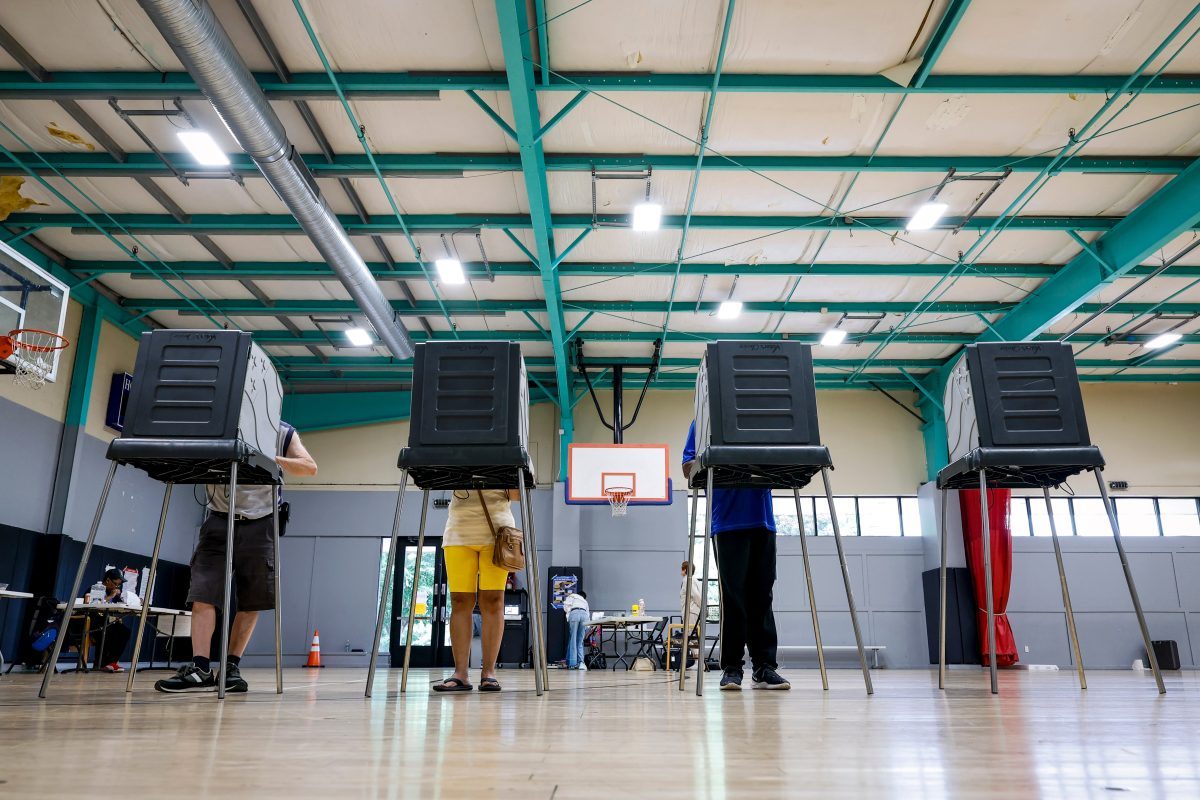
Officials in Wisconsin warned voters in July that wagering on races carries potential felony penalties. Lawmakers and regulators nationwide are now examining the legal reach of political prediction markets.
Election officials delivered the warning during summer preparations. The action targeted people placing wagers on ballot contests.
Meagan Wolfe, Wisconsin Election Commission administrator, addressed the legal risks directly.
“We want voters to understand that they cannot legally make a bet on an election and cast a ballot in that same election,” Wisconsin Election Commission Administrator Meagan Wolfe said. “We are not able to police someone placing a bet on these platforms, but it’s important for voters to understand the consequences if they bet on an election outcome.”
Federal lawmakers have also scrutinized the industry. In March, senators introduced bipartisan legislation to restrict wagers offered by platforms such as Kalshi and Polymarket.
Earlier this year, Kalshi banned former Rep. George Santos. The action followed his wagers on the State of the Union address.
Authorities are investigating suspicious bets tied to who will be selected as the White House press secretary. Public polling shows widespread hesitation toward the practice. A Reuters/Ipsos poll showed 60 percent of respondents do not support wagering on election results.
State laws across the country treat these activities differently. The National Conference of State Legislatures identified eight states that prohibit political wagers under certain circumstances:
- Wisconsin
- Oregon
- North Dakota
- South Dakota
- Minnesota
- Indiana
- New York
- Massachusetts
Twenty-four other states enforce blanket prohibitions, according to the NCSL. Those states include Arkansas, Idaho, Nevada, Utah, Arizona, Colorado, Nebraska, Oklahoma, and Texas. The full prohibition also covers Iowa, Louisiana, Illinois, Michigan, Tennessee, Mississippi, Georgia, South Carolina, and North Carolina. It further applies in West Virginia, Maryland, Delaware, New Jersey, Pennsylvania, and Rhode Island.
In August, the Texas House Elections Committee examined prediction markets during a hearing on emerging election technologies. That discussion was reported by KXAN.
Texas prohibits gambling on election outcomes, nominations, and political appointments. Prediction markets argue they offer swaps or exchanges rather than traditional wagers. They assert this structure exempts them from state rules.
Analysts consider the legal environment unsettled. Geoffrey Skelley, chief elections analyst at Decision Desk HQ, described prediction market activity in the 2026 midterm elections to The Hill.
“We’re in real new territory, and it’ll be interesting to see how state and federal governments and others respond to it,” he told The Hill.
Skelley also called the current landscape “the Wild West right now.” The debate continues across multiple jurisdictions.
The NCSL identified states without prohibitions on political wagers. Those jurisdictions are Alaska, Hawaii, California, Washington, Montana, Wyoming, New Mexico, Kansas, Missouri, and Ohio. They also include Kentucky, Virginia, Alabama, Florida, Connecticut, Maine, Vermont, and New Hampshire.
State election commissions administer local voting laws and oversee ballot procedures. State legislative committees hold hearings to review emerging technologies and assess potential statutory changes. Prediction platforms operate digital exchanges where participants buy and sell contracts based on future events.
Officials in Wisconsin continue to remind registered voters about state rules ahead of coming elections. Regulators across multiple states are reviewing how existing statutes apply to online contract platforms.