Portland adds $5.2 million to police budget amid rising crime
The Portland City Council unanimously approved a $5.2 million increase to law enforcement funding on Wednesday. The vote partially restores spending cuts approved following racial justice protests in June 2020. The move raises the agency’s current budget from $230 million.
The adjustment comes during a record homicide year and the largest local officer shortage in decades. Leaders also cited reform recommendations from the U.S. Department of Justice.
“Many Portlanders no longer feel safe,” Mayor Ted Wheeler said. “And it is our duty, as leaders of this city, to take action and deliver better results within our crisis response system.”
The city’s force is currently 128 officers below its authorized level. The new money will fund signing bonuses, a retire-rehire program, and broader recruitment efforts.
Officials aim to hire 200 sworn officers and 100 unarmed community safety officers by 2024. The package also sets aside $2.7 million for body-worn cameras.
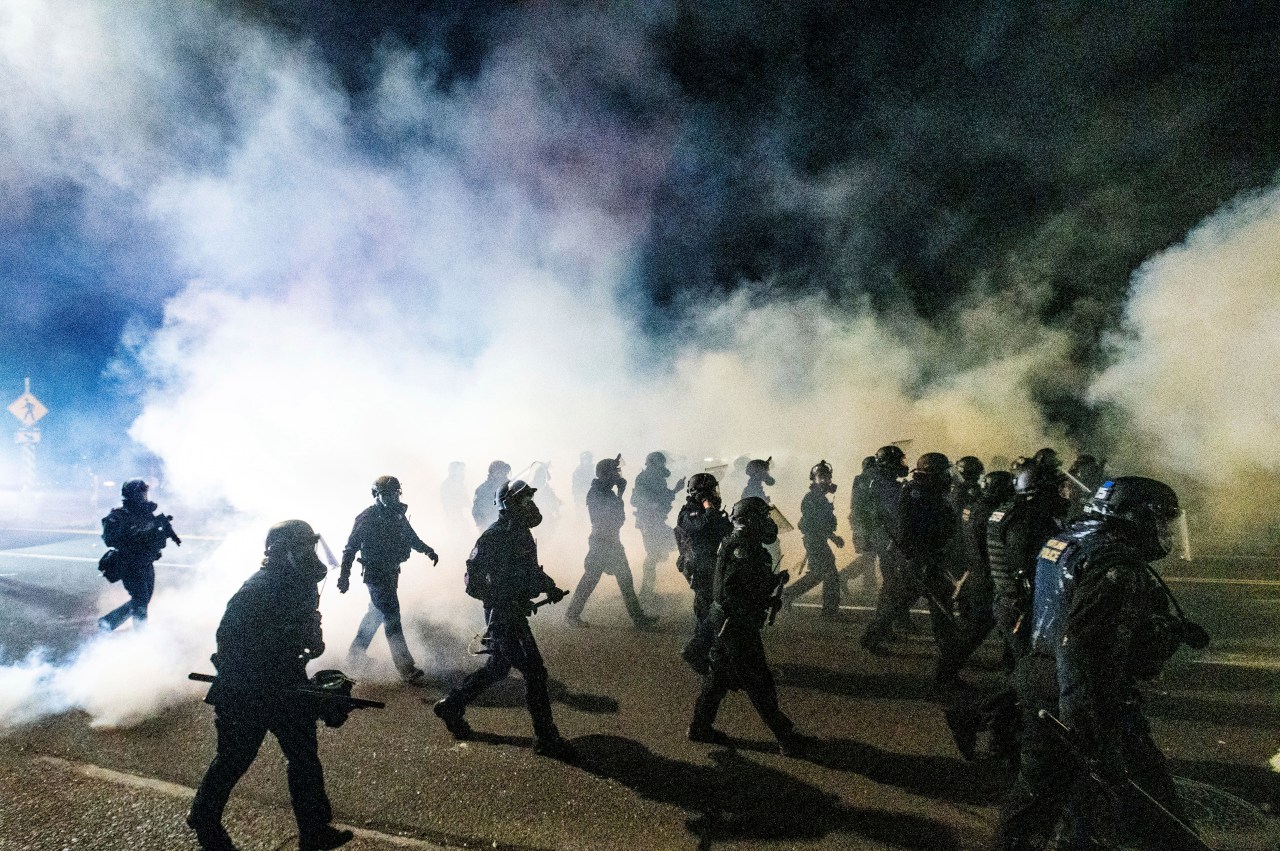
The funding will also support staff to monitor crowd control tactics. A 2014 federal settlement found that local officers used excessive force against people with mental illness.
In 2020, demonstrators demanded officials remove $50 million from the bureau’s allocation. The council responded by cutting $15 million, followed by an additional $12 million pandemic-related cut.
Those previous cuts disbanded school resource officers, transit officers, and a gun violence reduction team. A March 2018 audit found that the gun violence unit disproportionately stopped Black motorists.
During the height of protests in 2020, bureau personnel recorded more than 6,000 uses of force. The Department of Justice rebuked the bureau for an abnormally high reliance on violent tactics.
Nationally, FBI data shows homicides rose nearly 30% from 2019 to 2020. In Portland, homicides jumped 83% in 2020.
Aaron Chalfin, a University of Pennsylvania criminologist, evaluated four decades of municipal budgets. Chalfin found that homicides dropped 54% of the times cities hired additional officers.
“A million things that drive crime up and down,” Chalfin said.
Chalfin identified multiple crime drivers, including pandemic strain, economic troubles, youth programs, and street lighting levels. Cities nationwide are recalibrating their public safety investments.
New York City legislators previously shifted $1 billion from law enforcement to social services. Concerns about crime later prompted officials to return about $200 million.
Former police captain Eric Adams won the recent New York mayoral race without backing defunding calls. The Los Angeles City Council had previously directed $150 million from policing to community programs.
In Minneapolis, voters rejected a ballot measure to replace their police department. Minneapolis Police Chief Medaria Arradondo proposed a $192 million budget for 2022 to replace 300 departed personnel.
Howard Henderson directs the Center for Justice Research at Texas Southern University. Henderson noted that prominent activist voices often differed from residents in crime-affected areas.
“The folks who live in these high-crime communities …. they don’t want to get rid of police altogether,” Henderson said. “What they want to do is get rid of bad policing,”
The debate helped City Commissioner Jo Ann Hardesty launch the Portland Street Response team. Hardesty became the first Black woman elected to the city council.
Her initiative dispatches a paramedic, a mental health responder, and peer specialists to crisis calls. The unarmed team handles non-emergency incidents without armed officer involvement.
“At the end of the day was it the best phrase? Maybe it was? Maybe it wasn’t?” Henderson said. “But at least we’re talking about it.”
Municipal councils routinely adjust approved annual spending mid-cycle through supplemental budgets. These packages allow local elected bodies to reallocate general fund reserves to municipal operations.
The council adopted the measures at City Hall.