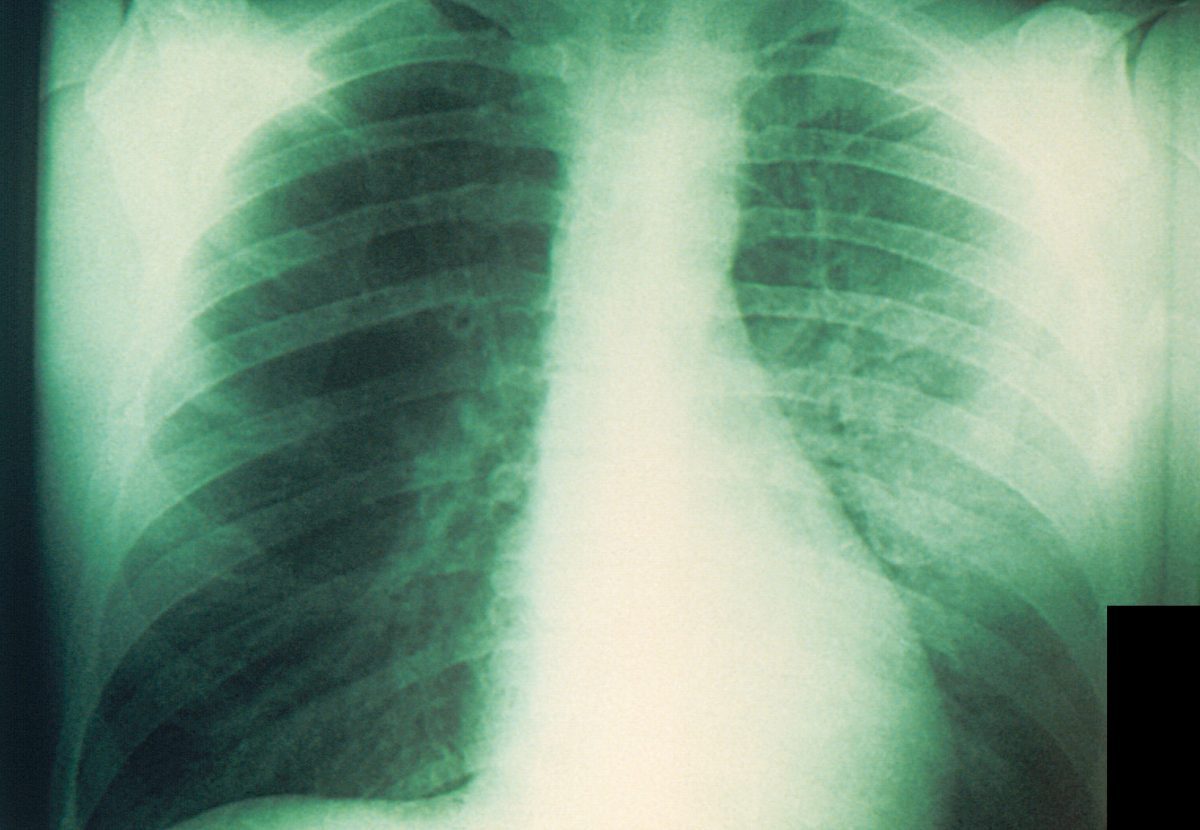
Russian scientist dies in suspected pneumonic plague outbreak in Moscow
A scientist in Moscow died following a suspected respiratory plague exposure, according to officials. The White House and the State Department are monitoring the situation as 200 people remain under medical observation. The death was officially attributed to pneumonia of unknown origin. Russia has not confirmed that the disease caused the fatality.
The case has prompted calls for more transparency. The female researcher worked at an anti-plague institute. She reportedly broke a test tube containing active pathogens before falling ill.
The Russian government placed nearly 200 contacts under medical watch. Officials also quarantined several healthcare facilities across the capital.
The illness occurs when the bacterium Yersinia pestis enters the lungs. It is the only plague form that spreads between people through air droplets. It also develops when bubonic or septicemic infections spread to the lungs.
Bubonic and septicemic types stem from flea bites or contact with infected fluids. Bubonic cases target lymph nodes and remain more common. The lung infection is far more serious.
Initial symptoms include weakness, headache, fever, chills and body aches. Patients quickly develop nausea, vomiting, shortness of breath and coughing with blood or water. Symptoms appear one to four days following exposure.
The condition is almost always fatal without medical care. Antibiotics treat the infection successfully. Starting antibiotics within 24 hours gives patients the highest chance of survival.
Medical observation involves tracking individuals exposed to infectious pathogens to halt disease spread in communities. Health agencies enforce strict quarantines to isolate potential respiratory transmission quickly. Rapid intervention ensures early medical care begins before severe complications arise.
The Black Death in the 1300s wiped out over a third of Europe. Most of those historic deaths involved bubonic strains.