Senate passes national college sports NIL legislation in Washington
Lawmakers in Washington passed a measure to establish national rules for college athlete compensation on Monday. The decision creates a uniform federal framework across collegiate sports programs. The Senate approved the Protect College Sports Act of 2026 by a 77-22 vote.
The measure now moves to the U.S. House of Representatives. It replaces state laws regarding compensation, transfers and eligibility.
The measure establishes a federal right for college athletes to earn compensation. It caps agent fees at 5 percent.
Division I schools must cover specific out-of-pocket medical expenses for athletic injuries. This applies during enrollment and five years afterward.
The legislation addresses athlete transfers and eligibility rules. It grants the NCAA and conferences additional authority to enforce nationwide rules.
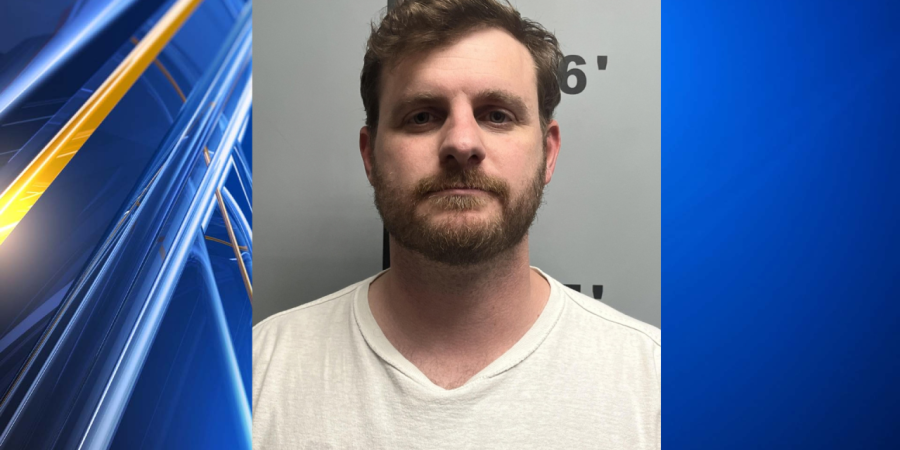
Former Henderson State basketball player Toyran Patrick shared his perspective on the changes. He recalled personal financial challenges during his college career.
Patrick said finding food outside school offerings was difficult. “Considering I was a former college athlete, I know the struggle of having to play those games and barely have enough food to eat in the dorms throughout a whole week, especially if the cafeteria is closed,” Patrick said.
Athletes deserve financial benefits from generated revenue, according to Patrick. He noted fans pay to see the athletes perform.
“I think it’s a great opportunity, but the amount of money that these athletes bring into these schools, the amount of revenue, that profit-sharing all starts with the athletes that the fans are paying to see,” Patrick said. “I think they deserve to have that money.”
National athlete compensation debate
Patrick said the transfer portal system needs more structure. He stated transfer activity has grown rapidly.
“I won’t lie, it’s gotten close to the Wild West,” Patrick said. “Kids are transferring every year. If the coach sneezes the wrong way, they’re transferring out, so I think there does have to be some regulation.”
Limits could encourage athletes to stay with programs longer, Patrick said. Leaders in Washington continue to review these athletic standards.
Patrick cautioned against ignoring differences between large Division I programs and smaller universities. Wealthy donors create different financial environments.
“There has to be a balance,” Patrick said. “But it’s impossible to put it on a level playing field because these larger schools have donors and trustees that have tons more money than the small schools.”
Schools must consider sports generating less money, Patrick said. Non-revenue sports also need institutional support.
“We don’t want to see a world to where our sports are football, baseball, golf and track and the rest of them are out,” Patrick said. “There are great college athletes that deserve a chance regardless of what sport they play.”
Financial management and protections
Patrick raised concerns about young athletes managing large amounts of money. He suggested schools require financial education courses.
These classes could cover budgeting, investing and long-term planning. Patrick said stronger safeguards are needed during contract negotiations.
“There’s a large percentage that has no clue about the business that goes behind NIL and the productivity of profit sharing when it comes to how much money they’re actually making,” Patrick said.
The measure includes provisions for scholarships, healthcare, and women’s sports. It also addresses protections for Olympic sports.
Federal legislation passed by the Senate proceeds to the House for consideration before it can reach the president. Congressional acts require approval from both chambers to become federal law.
Patrick said college sports will continue evolving. He noted the system will require further adjustments over time.